
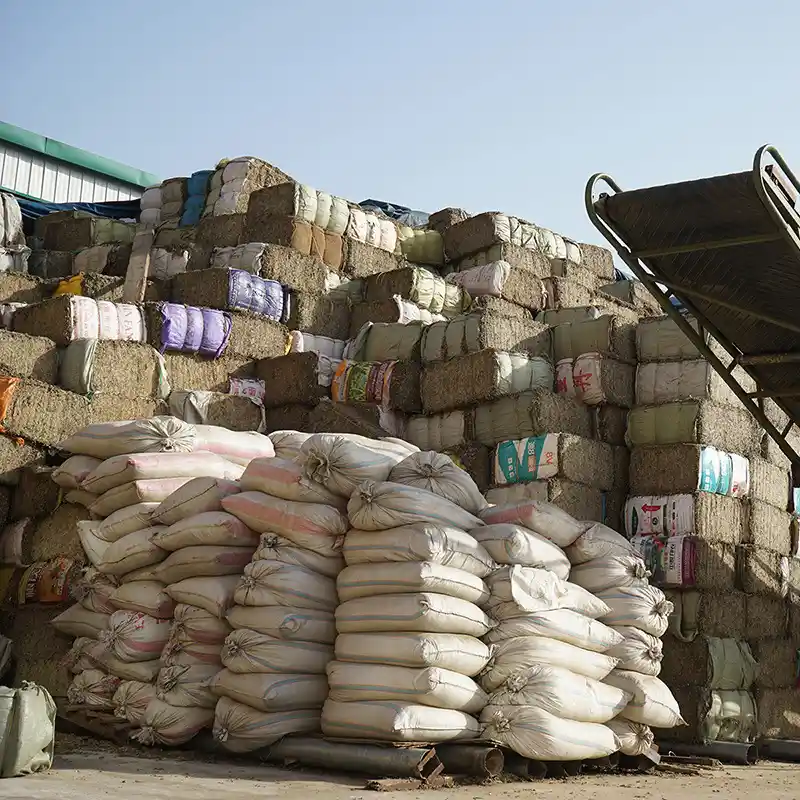
Mugwort is a common name used for several plants in the genus Artemisia. Common mugwort often refers to Artemisia vulgaris, while Chinese mugwort commonly refers to Artemisia argyi. The plant name, part used and processing method help explain what is in a particular product.
You may first meet mugwort in an herbal shop, a skincare description, a foot-soak bag or an article about moxibustion. These products share a word, but they are not the same material in different packages.
This introduction explains what mugwort is, how it relates to moxa and why the details matter. It is a guide to understanding the plant and product family, rather than a treatment or home-preparation tutorial.
What Is Mugwort?
Mugwort belongs to the Artemisia genus in the Asteraceae family. The English common name is useful in conversation, but it is not precise enough to identify every commercial ingredient.
Royal Botanic Gardens, Kew lists Artemisia vulgaris and Artemisia argyi as distinct accepted species. Its name resources connect “common mugwort” with A. vulgaris and “Chinese mugwort” with A. argyi. This is a practical reason to look beyond the front-of-pack word.
A scientific name is an identity reference, not a promise of quality. It tells you which plant is being described. It does not, by itself, establish the condition of a batch or the suitability of a finished product.
Is Mugwort the Same as Moxa?
Mugwort names the plant or botanical material. Moxa refers to prepared material used in moxibustion. In a familiar production route, dried leaves are processed into a soft fibrous material called moxa wool or moxa floss.
That floss can be formed into rolls, cones or other consumables. The finished form may also include wrapping, a base or a holder. “Moxa” therefore describes a use and preparation more specifically than the broad word “mugwort.”
Our moxibustion introduction explains the practice itself. For this article, the important distinction is that not every mugwort product is moxa, and not every product containing mugwort is used by burning it.
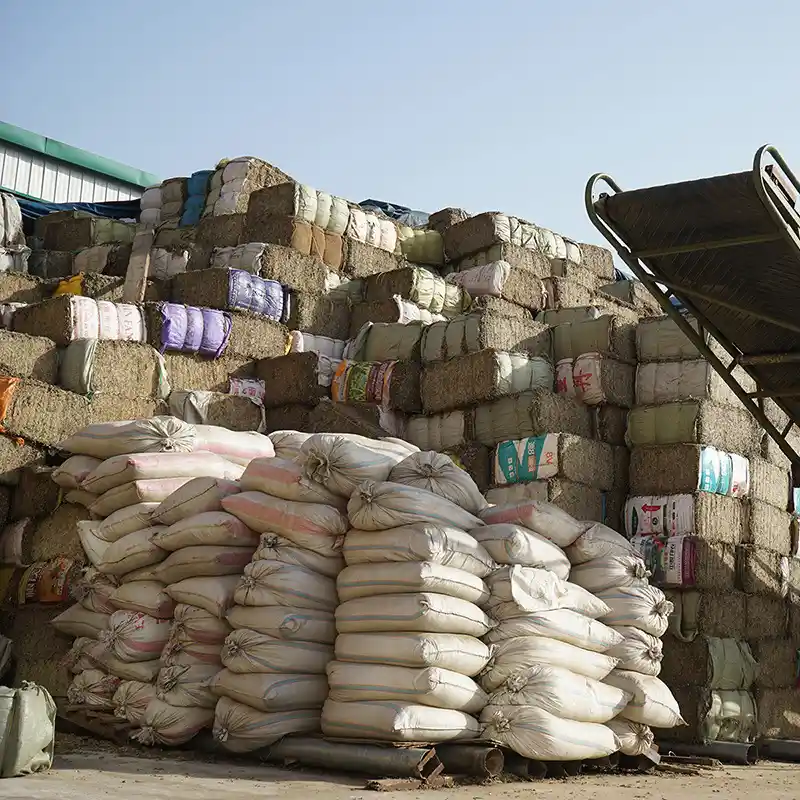
From Dried Leaves to Different Products
The same broad plant category can lead to very different materials. Processing changes the physical form and may change the composition. These differences are more useful to understand than treating “mugwort” as a single standardized ingredient.
| Product or material | What the name usually describes | What it does not tell you alone |
|---|---|---|
| Dried mugwort | Dried botanical material, such as leaves or cut herb | Exact species, plant-part balance or batch condition |
| Moxa wool | Processed fibrous material for moxa consumables | A universal purity percentage or clinical result |
| Mugwort powder | A powdered material | Whether it is ground leaf or an extract-based powder |
| Mugwort extract | A material produced using an extraction process | Complete composition, strength or suitability for a particular use |
| Finished mugwort skincare | A formulated product containing a mugwort-related ingredient | The function of every ingredient or the performance of the whole formula |
Dried Material and Moxa Wool
A sack of dried leaves and a bundle of soft floss look different because they represent different stages or routes of processing. One should not be substituted for the other simply because both are called mugwort.
If your interest is the raw dried material, our dried mugwort guide goes further into product forms. If you are looking at moxa, the moxa wool guide explains the terminology used for that material.
Powder, Extract and Essential Oil
These words should not be used interchangeably. Grinding plant material into powder is different from extracting selected components. An extract powder is also not necessarily the same as ground leaf powder.
Likewise, an essential oil, a diluted oil blend and a water-based extract need different descriptions. The useful question is “what is the actual ingredient?” rather than “does the name include mugwort?”
Why Does Mugwort Appear in Both Moxa and Skincare?
Plants can be processed for different product categories. A cosmetic formula may include a named mugwort extract alongside many other ingredients, while a moxa consumable is designed around a different material and operating method.
This does not mean that one use proves the benefits of another. A study about burning moxa cannot establish the effect of a face mask. A pleasant skincare experience does not tell you what a moxa roll will do.
For readers exploring this product family, separating the categories makes descriptions easier to follow: botanical material, prepared moxa, formulated skincare and other finished wellness products.
What Is Known About Mugwort Uses?
Mugwort has a history of traditional use, but historical use and demonstrated effectiveness are different. NCCIH's mugwort information, which identifies Artemisia vulgaris, notes limited human research and insufficient evidence for health conclusions. Its discussion should not be casually transferred to every species or finished formulation.
The same source advises against mugwort use during pregnancy and notes uncertainty during breastfeeding. People considering herbal products for health reasons should discuss them with a healthcare professional rather than treating a plant introduction as personal advice.
Do not infer that a dried botanical sold for one purpose is suitable for eating, drinking, applying to skin or burning. Those are different uses with different questions. This guide does not provide ingestion amounts or preparation instructions.
How to Understand a Mugwort Product Name
You can learn a great deal from a description that identifies the species, part of the plant, material form and intended use. Missing details are a reason to ask questions, not to fill the gaps with assumptions.
For example, “Chinese mugwort leaf powder” is more informative than “herbal powder,” but the full material specification is still needed for product development. “Mugwort calming essence” is a finished-product name; it should be read alongside its complete ingredient information.
Country or regional names add another layer. A claim about origin should be supported by sourcing records. It should not be treated as an automatic explanation of species, processing method or effectiveness.
Frequently Asked Questions
What is mugwort in simple terms?
It is a common name used for several Artemisia plants. The scientific name helps identify the actual plant in a material or product.
Is all mugwort Artemisia argyi?
No. Chinese mugwort commonly refers to Artemisia argyi, while common mugwort often refers to Artemisia vulgaris. Check the exact identity.
Are mugwort and moxa the same thing?
They are related. Mugwort is the botanical material; moxa is prepared material used in moxibustion.
Is mugwort powder the same as mugwort extract?
No. A powder may be ground plant material or an extract-based material. The processing route and full description matter.
Does a skincare product work like burning moxa?
That should not be assumed. The formula, route of use and evidence are different.
Does a natural ingredient suit everyone?
No. A natural origin does not establish individual suitability. Health-related use needs appropriate advice and product-specific information.
From Curiosity to a Product Idea
Interested in turning a mugwort product idea into a practical small-business project?
Global China Bridge is a China-based sourcing and product-development service company helping overseas entrepreneurs, small brands, retailers and clinic suppliers. We can coordinate manufacturer searches, factory verification, samples, OEM and private label packaging, production follow-up, quality checks and shipping arrangements. Tell us your target market and product direction. Small orders are welcome to discuss; we start with a free conversation, then agree a clear scope and fee for any work.
Email: service@globalchinabridge.com · About GCB