
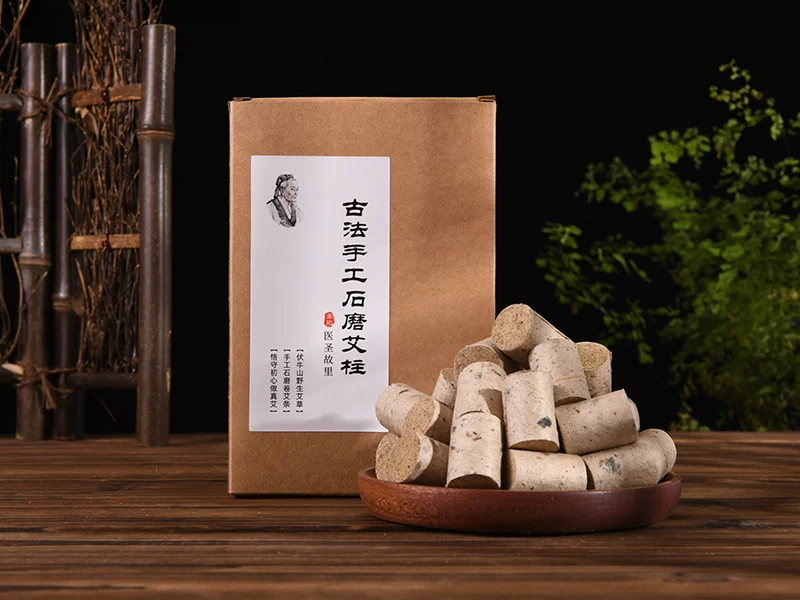
What is moxibustion? Moxibustion is a traditional Chinese medicine practice that uses heat from burning prepared mugwort, known as moxa, to warm selected areas or points on the body. It is often discussed alongside acupuncture. Modern moxa products come in several forms, but their construction, use and supporting evidence should be considered separately.
When people talk about Traditional Chinese Medicine (TCM), acupuncture is usually the first thing that comes to mind. Yet there is another time-honored therapy with a long history in Chinese medical texts: moxibustion.
For centuries, practitioners have used the warmth from burning mugwort, including Artemisia argyi (Chinese mugwort), within traditional approaches to care. TCM describes this practice in terms such as warming and dispelling cold. These traditional explanations should be distinguished from modern research into particular health conditions.
Today, moxa also appears in products offered to clinics, wellness businesses and consumers. Whether you are a curious wellness enthusiast or an entrepreneur exploring the holistic wellness space, this guide walks through what moxibustion is, why mugwort is used and what to understand about the products behind it.
A Long Tradition: Why Mugwort?
Moxibustion has a history extending back more than two millennia. Early Chinese medical writings describe the practice, and the Huangdi Neijing (The Yellow Emperor's Inner Classic) discusses it alongside other approaches to care.
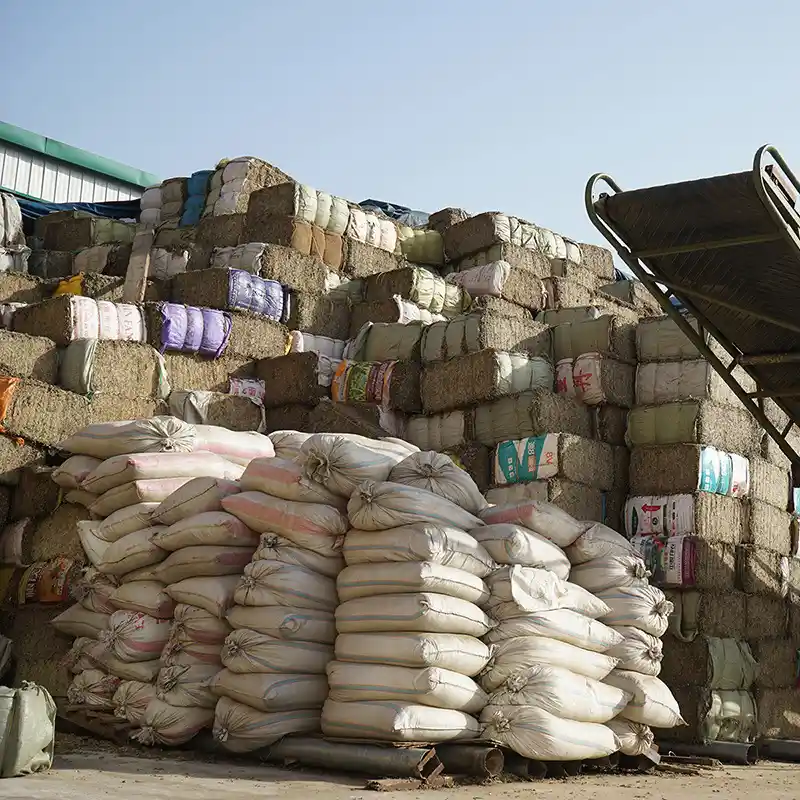
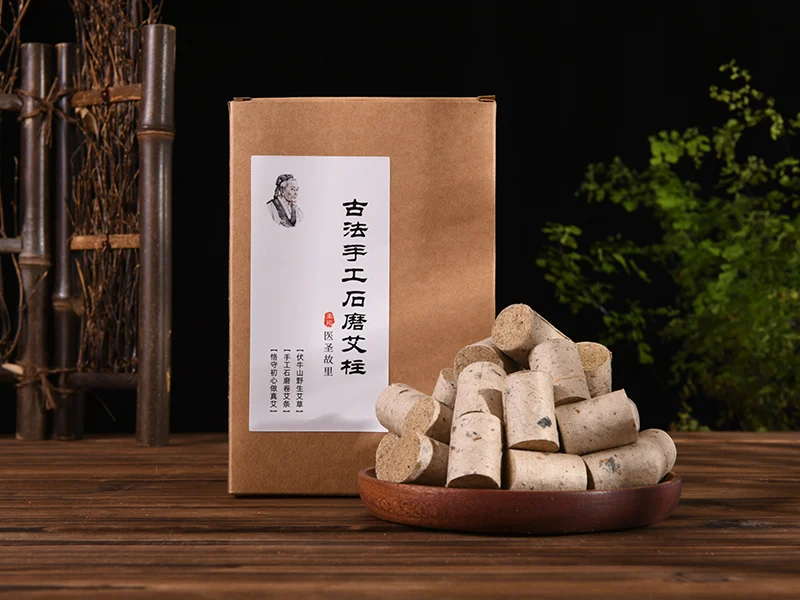
Dried Chinese mugwort is processed into a fibrous material called moxa wool or moxa floss. This can be formed into rolls, cones and other consumables. Its ability to smolder makes it useful as a heat source, while its burning behavior depends on the material, processing, moisture, density and product construction.
The characteristic earthy aroma is familiar to many practitioners, but not everyone finds the smoke comfortable. “Gentle warmth” should not be understood as a guarantee against burns: burning moxa produces heat and combustion emissions.
A note for readers: This article explains the practice and related products; it does not provide diagnosis or treatment instructions. Evidence varies by condition, and moxibustion should not replace needed medical care or medication. Consult an appropriately qualified healthcare professional about suitability, particularly if you are pregnant, have an allergy or are sensitive to smoke.
From Ancient Clinics to Modern Wellness Products
Traditional moxibustion involves burning moxa and requires attention to heat, smoke and handling. Direct and indirect methods exist; a beginner's introduction is not a substitute for professional training or product-specific instructions.
The product range has broadened, with several different formats appearing in wellness catalogs:
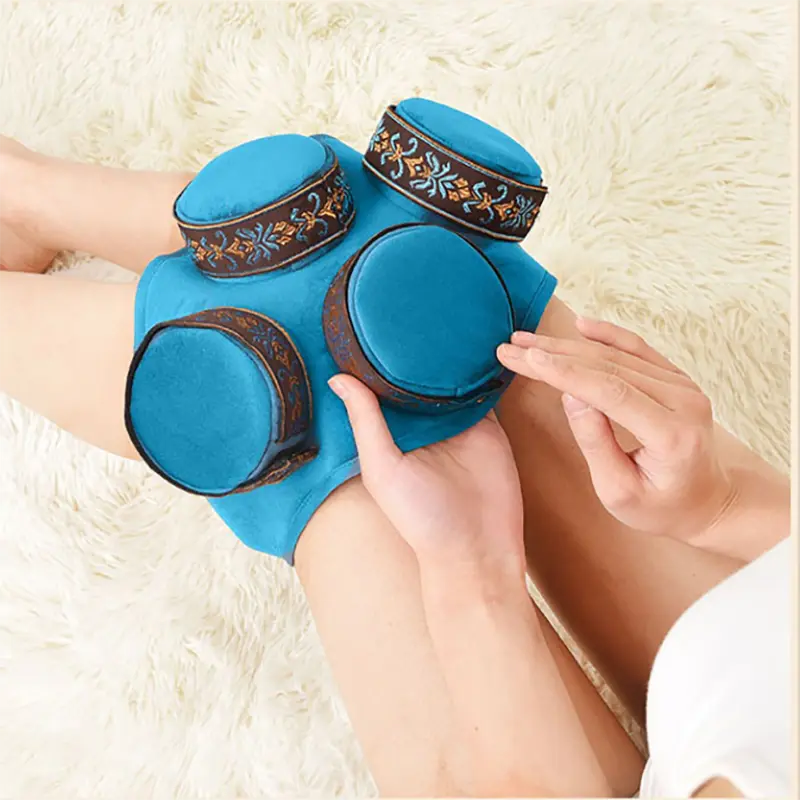
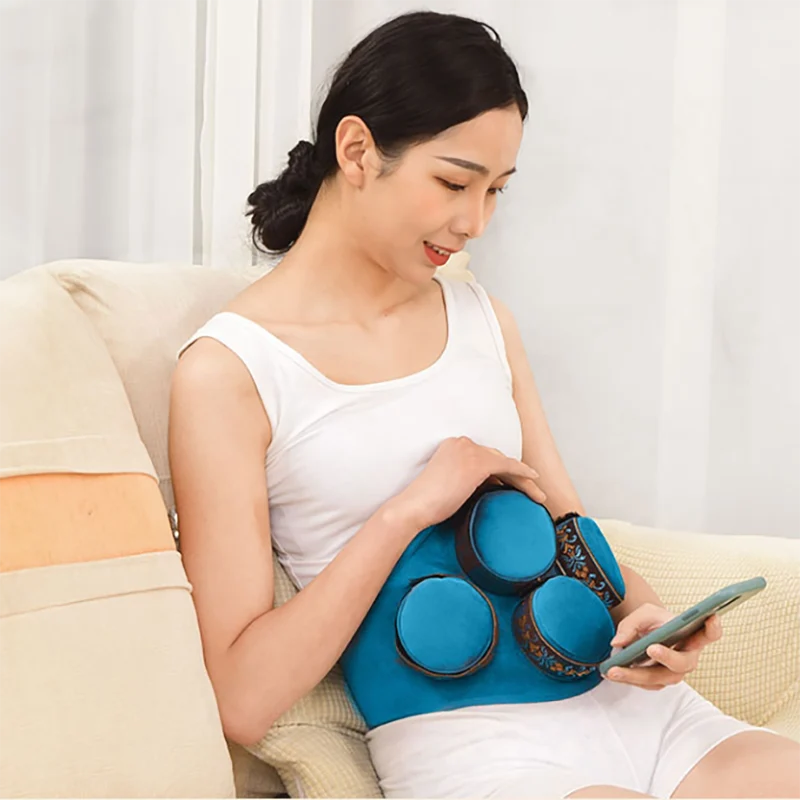
- Smokeless moxa and electric devices: Carbonized moxa products are intended to reduce visible smoke and odor, while boxes and holders offer different ways to contain the consumable. Electric products vary: some warm a moxa insert, some provide heat without it, and some systems still involve burning. A “smokeless” label does not establish emission-free operation or permission to use a product in a smoke-alarm-sensitive apartment. Ventilation and the exact operating method still matter.
- Mugwort heat patches: Some disposable warming patches combine mugwort-related ingredients with an air-activated heating system. Heating duration and intended use depend on the actual product. These patches should not automatically be treated as equivalent to burning moxa or as having the same clinical effects.
- Mugwort foot soaks and oils: Herbal soak products and oils are also offered for wellness and spa routines. They are adjacent mugwort product categories, rather than forms of combustion-based moxibustion. Their composition, instructions and product claims need separate consideration.
The Entrepreneur's Corner: Spotting Real Quality
For friends and fellow entrepreneurs interested in building a brand in this field, the variety of products creates several possible starting points. A central challenge is quality control: making sure the product received matches the agreed specification.
If you are sourcing from China, relying purely on online pictures leaves important questions unanswered. Here are three areas to investigate with the factory.
1. Understanding Aging: One Year vs. Three Years
Aging is a familiar selling point in the moxa industry. Ask whether the claim refers to stored leaves, processed floss or finished products, and how the supplier records the dates and links the material to a production batch.
There is no universal rule that every premium product must be aged for at least three years. Smell and appearance alone cannot prove a claimed age. Review the storage conditions, records and representative samples together.
2. Understanding the Moxa Ratio: 15:1 vs. 30:1
The ratio commonly describes how much dried leaf input was used to obtain a unit weight of moxa floss. Ask the supplier to define the starting material and calculation method. A ratio is not a standardized percentage-purity score.
- Material condition: Compare fiber texture, visible fragments, consistency and unexpected foreign material against the declared grade.
- Refined grades: Descriptions such as “golden,” 15:1 or 30:1 need a named reference and an approved sample. Color alone does not prove grade or heat performance.
- Higher ratios: A 40:1 claim deserves verification, but the number alone does not establish a fake or an unusable product. Ask what the factory means and whether the finished sample suits the intended product.
3. The Physical Burn Comparison
An agreed sample evaluation can compare ignition, burn consistency, visible smoke, cracking and ash behavior under comparable conditions. It should be performed appropriately, not improvised on a person as a buying test.
Even burning and retained ash can be useful observations, but pale ash is not a complete quality test and retained ash still requires careful handling. Product records, composition, dimensions and the agreed inspection scope remain important. Our moxa sticks buying guide explains more of the product details.
Frequently Asked Questions
Is moxibustion the same as acupuncture?
No. Moxibustion uses heat from prepared moxa, while acupuncture uses needles. They may be discussed or used together, but they are different practices.
What is moxa made from?
Moxa is prepared from mugwort material, often processed into fibrous floss. Confirm the actual botanical material and any added ingredients for a particular product.
What is moxibustion used for?
It has several traditional applications and has been studied for particular conditions. Traditional use is not proof of effectiveness for every claim; suitability and evidence should be discussed with a qualified healthcare professional.
Does smokeless moxa remove the need for ventilation?
No. Reduced visible smoke does not mean no combustion emissions. Follow the exact product requirements and applicable facility rules.
Are mugwort foot soaks the same as moxibustion?
No. Foot soaks are an adjacent product category. They do not use the same process as burning moxa.
Can an entrepreneur develop private label moxa products?
Yes, this can be discussed with suitable manufacturers. Start with the product, target market and sample requirements before confirming packaging and production.
Let's Discuss Your Next Wellness Venture
Exploring a mugwort product line? Bringing an idea to your local market starts with a product you understand and a supply chain you can work with.
Global China Bridge is a China-based sourcing and product-development service company helping overseas entrepreneurs, small brands, retailers and clinic suppliers. We can coordinate manufacturer searches, factory visits, samples, OEM production, quality checks and custom private label packaging, along with shipping arrangements.
You focus on your market and brand; we help turn your requirements into practical work with manufacturers in China. Tell us your target country, product idea and approximate quantity. Small orders are welcome to discuss. We start with a free conversation, then agree a clear scope and fee for any work.