
Acupuncture and moxibustion are related practices, but they are not the same. Needle acupuncture involves inserting thin needles at selected sites. Moxibustion uses heat from prepared mugwort, known as moxa. They may be offered separately or together, and the evidence and safety questions should be considered for each method.
A clinic may list “acupuncture and moxibustion” as one service heading. A product catalog may place needles, moxa rolls and warming holders next to one another. For a beginner, that can make it seem as though every acupuncture appointment includes burning herbs, or every moxa product requires a needle.
Neither assumption is reliable. Understanding the difference helps you follow a practitioner's explanation and recognize what a product description actually means.
Moxibustion vs. Acupuncture at a Glance
| Question | Needle acupuncture | Moxibustion |
|---|---|---|
| What is the main method? | Stimulation using thin needles | Application of heat using prepared moxa |
| What materials are involved? | Acupuncture needles and associated clinical supplies | Moxa consumables and, depending on the method, holders or other equipment |
| Does it always involve burning? | No | Traditional forms burn moxa; modern products need their own description |
| Must the two be combined? | No | No |
| What should readers compare? | The proposed method, purpose, evidence and practitioner qualifications | The proposed method, purpose, evidence, heat and combustion arrangements |
This is a comparison of the basic methods, not a ranking of treatments. The name of a practice alone does not tell you whether it is appropriate for a particular person.
What Is Acupuncture?
NCCIH describes acupuncture as a technique involving thin needles inserted through the skin. Its research summaries discuss evidence for particular conditions, including some pain conditions, and emphasize appropriate practice. Those findings concern the methods studied; they do not automatically validate every service sold alongside acupuncture.
In everyday conversation, “acupuncture” can also be used broadly for a practitioner's whole service. An appointment might include discussion, needle treatment or another technique. That is why it is useful to ask what is included rather than guessing from the booking title.
What Is Moxibustion?
The National Cancer Institute's dictionary describes moxibustion as a traditional heat practice using a burning herb at selected points or areas. Moxa is prepared mugwort used for that purpose. For a fuller introduction, see what moxibustion is and its modern forms.
Moxa may appear as fibrous wool, a roll or a small shaped consumable. The form helps explain how the material is handled, but it does not establish an effect. A short cylinder in a box and a long roll are different product formats, not different levels on a medical effectiveness scale.
Why Are Acupuncture and Moxibustion Often Discussed Together?
Both are associated with traditional Chinese medical practice and its language of points and meridians. This shared context explains why the names often appear together in books, clinics and training programs.
However, sharing a traditional framework does not make the techniques interchangeable. One method uses needles; the other introduces a heat source. They have different materials, practical requirements and questions for the practitioner.
The combination is also its own research question. If a study examines acupuncture plus moxibustion, a reader cannot assume that either component alone would produce the same result. Likewise, a finding about acupuncture alone does not show what a moxa patch will do.
Does Moxibustion Always Involve Needles?
No. There are moxibustion methods that do not involve needle insertion. There are also professional techniques that combine moxa with needles. A general introduction can explain that these categories exist without providing operating instructions.
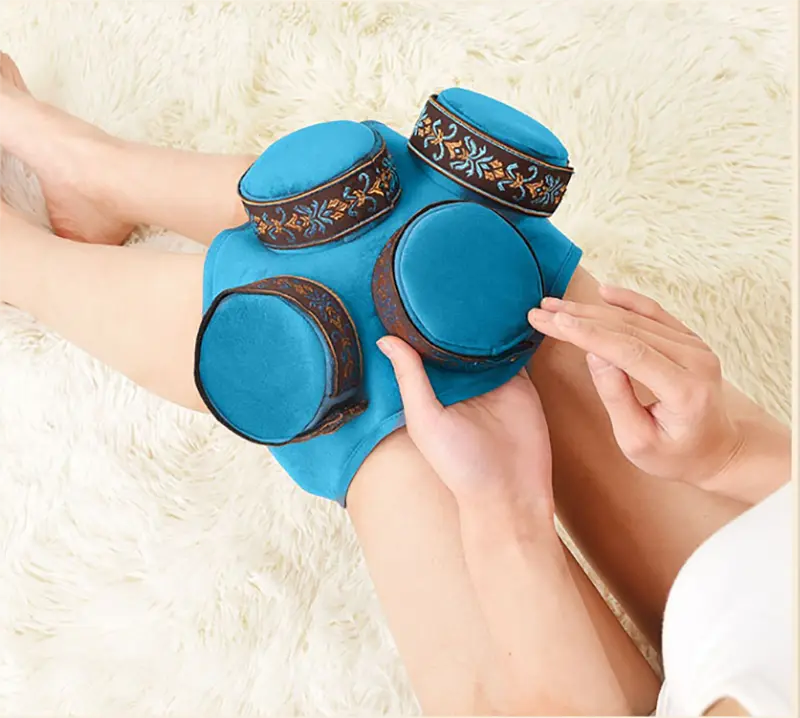
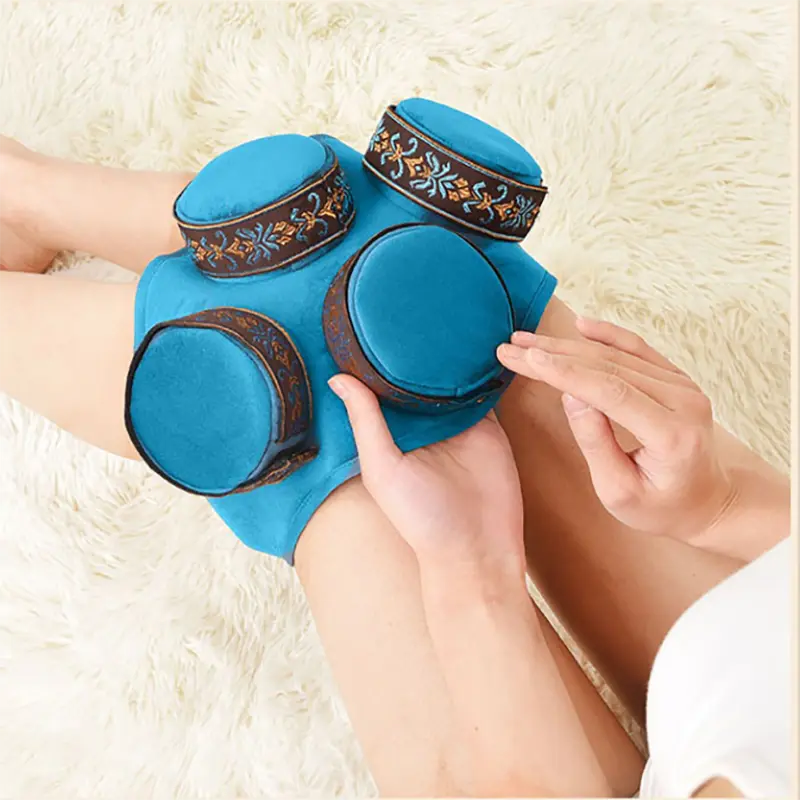
A wearable holder or moxa box should not be identified as a needle treatment simply because it is sold by an acupuncture supplier. Ask for the product's own description, compatible consumable and instructions. Our guide to moxa cones and stick-on formats explains some of the product terminology.
Is One Better Than the Other?
“Better” needs a purpose. A comparison might concern a medical outcome, what the experience involves, a person's preferences or the practical arrangements in a clinic. These are separate considerations.
Clinical decisions should be made with an appropriately qualified healthcare professional using evidence relevant to the actual condition. Familiarity, tradition or a strong online recommendation does not settle that decision.
For a nonclinical example, someone may prefer a service without combustion because they dislike smoke. That preference helps explain their choice of setting; it does not prove that one treatment is more effective for their symptoms.
What Should a Beginner Ask a Practitioner?
A clear explanation should leave you understanding what is proposed and why. Useful questions include:
- Will the appointment involve needles, burning moxa, another heat source or a combination?
- What is the intended purpose, and how strong is the evidence for that use?
- What qualifications and experience does the practitioner have with the proposed method?
- What risks and alternatives should be discussed for my situation?
- If moxa is burned, how are heat, smoke and the treatment environment managed?
NCCIH notes that improper acupuncture can cause serious complications and that sterile needles and appropriate practice matter. Moxa introduces separate heat and combustion considerations. Choosing a qualified practitioner does not remove the need for an individual discussion.
Tell your healthcare professional about existing conditions, medicines, pregnancy and previous reactions to relevant treatments or materials. An educational article cannot assess those details for you.
Frequently Asked Questions
Is moxibustion a type of acupuncture?
They are often grouped within traditional practice, but their basic methods differ. In this guide, acupuncture refers to needle acupuncture and moxibustion to the use of moxa heat.
Can someone receive moxibustion without needles?
Yes, methods without needles exist. The practitioner should explain the exact method and its suitability.
Does an acupuncture appointment always include moxa?
No. Ask the clinic what is included rather than assuming from a general service name.
Does combining the two make treatment more effective?
That depends on the specific clinical question and evidence. Combining techniques does not automatically improve results.
Is an electric warming device the same as needle acupuncture?
No. A product's heat source and operating method should be identified directly; a shared wellness category does not make the methods the same.
Why do suppliers sell needles and moxa together?
They may serve the same professional customers. Being in the same catalog does not mean the products have identical functions or should always be used together.
From Curiosity to a Product Idea
Considering products for a small clinic-supply or wellness business?
Global China Bridge is a China-based sourcing and product-development service company helping overseas entrepreneurs, small brands, retailers and clinic suppliers. We can coordinate manufacturer searches, factory verification, samples, OEM and private label packaging, production follow-up, quality checks and shipping arrangements. Tell us your target market and product direction. Small orders are welcome to discuss; we start with a free conversation, then agree a clear scope and fee for any work.
Email: service@globalchinabridge.com · About GCB