
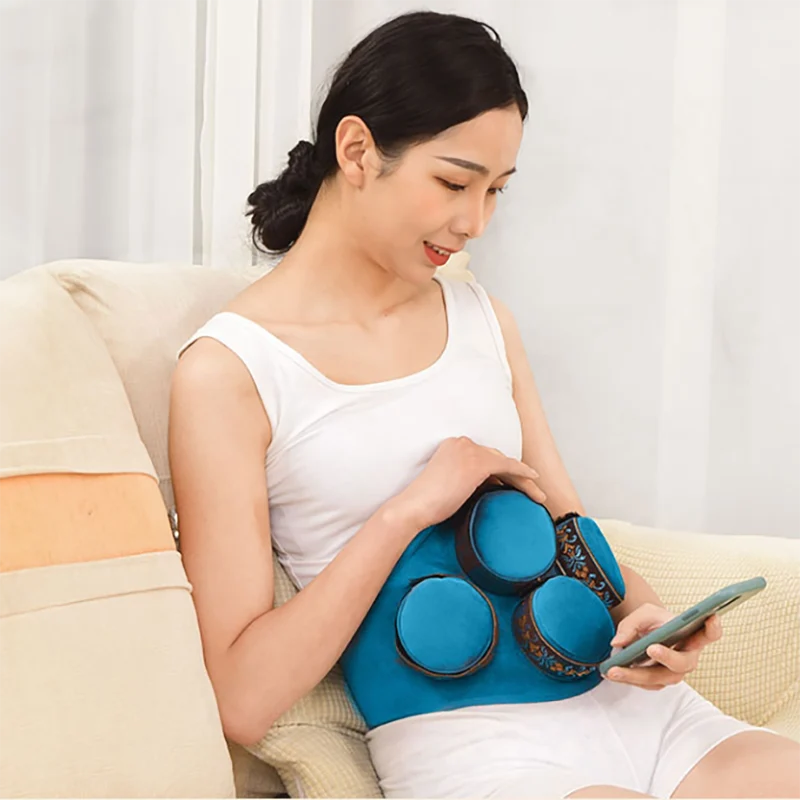
Moxibustion is not risk-free. Heat, burning material, smoke and contact with product components create different concerns. Reported moxibustion side effects include burns and allergic reactions. “Natural,” “portable” and “smokeless” are not substitutes for a clear product description, appropriate instructions and professional assessment.
Many introductory articles explain the history of moxa or show an attractive wooden box. Fewer explain what a beginner should understand about the practical risks. This can leave readers assuming that a familiar herb or a small product must be harmless.
A more useful approach is to identify where the heat comes from, what can contact the body and whether anything is burning. Those questions apply even when two products look similar in photographs.
What Moxibustion Side Effects Have Been Reported?
A 2010 systematic review, Adverse Events of Moxibustion, reported events including burns, blistering, itching and discomfort from smoke. It identified allergy, burns and infection as potential concerns, while noting that the incidence of adverse events was not known.
This distinction matters: a report that an event can occur does not tell us how often it occurs in every setting. Equally, incomplete reporting cannot be treated as proof that a method is harmless. Readers need both parts of the picture.
| Concern | What to understand | A useful question |
|---|---|---|
| Heat and burns | A small heat source can still cause injury | How is exposure managed for this method? |
| Smoke and odor | Visible smoke is not the only feature of combustion | What ventilation and facility arrangements are required? |
| Skin reactions | Different materials can contact or sit near the body | What ingredients and contact materials are present? |
| Product variation | Rolls, holders, patches and electric products differ | Which instructions apply to this exact model? |
Moxibustion Burns: Why the Heat Source Matters
Burning moxa produces a hot ember and ash. A holder changes how the consumable is supported, but the heat source remains present. An attractive cover does not by itself demonstrate how effectively a device contains ash or separates hot parts from the body.
There is also a difference between a brief sensation and sustained exposure. You cannot evaluate a method simply by asking whether the first moment feels comfortable. This is one reason a general internet article should not replace training or product-specific instructions.
Do not interpret burning, pain or blistering as evidence that a wellness product is working. Stop the exposure if injury is suspected and seek medical advice; significant burns or severe symptoms require prompt medical attention. This article does not provide a burn-treatment protocol.
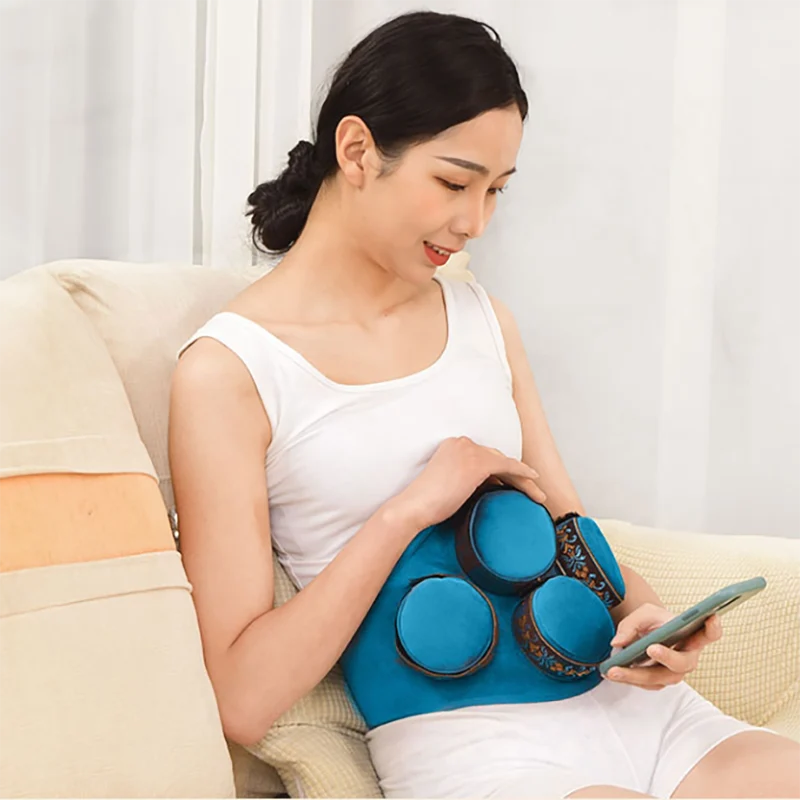
Moxa Smoke, Odor and Ventilation
Research has measured combustion-related pollutants during moxibustion. For example, a 2016 study of commercial indirect moxa measured gases and volatile compounds in an unventilated chamber. That controlled setting helps explain why the material, amount burned and room conditions matter; it is not a universal exposure estimate for every clinic.
Reduced visible smoke should not be read as a guarantee of no emissions. Nor does a mild smell establish an acceptable air environment. A label cannot replace the requirements of a particular facility or an assessment of the actual operating conditions.
If you are sensitive to smoke or have a respiratory condition, discuss that before an appointment. NCCIH identifies limitations in the evidence for moxibustion in asthma; the presence of a traditional respiratory-related claim is not a reason to disregard smoke concerns.
Skin Sensitivity and Contact Materials
Not every product in the moxa category contains the same materials. Depending on the design, there may be plant material, wrapping paper, a holder, a fabric cover, an adhesive or added ingredients.
For that reason, “mugwort product” is too broad a description to answer a question about skin contact. A wearable warming patch also needs to be distinguished from a small burning moxa unit mounted on an adhesive base.
A previous reaction to a relevant herb, adhesive or other ingredient is information to share with a healthcare professional. Avoid assuming that another product is suitable merely because it is marketed as herbal or described as gentle.
Smokeless, Electric and Portable: What Do the Labels Tell You?
These words describe different aspects of a product. “Smokeless” usually concerns smoke characteristics. “Electric” identifies a power source, but may not fully explain the consumable. “Portable” concerns form or convenience. None is a complete statement about suitability.
For example, an electric product that supplies heat without combustion is different from a powered system that supports a burning consumable. A self-heating patch is another construction again. Start with the operating method rather than grouping all three as “safe moxa.”
Our moxibustion introduction explains these broad product families. Its photographs are references, not instructions for applying a product to a person.
Questions to Resolve Before Trying a Product
You do not need to become an equipment specialist to ask for a clear explanation. A practitioner or product provider should be able to explain what is proposed, the intended setting and the applicable instructions.
- Does the method burn moxa, use electrical heat or rely on a self-heating material?
- What can touch the skin, and what ingredients or contact materials are present?
- What qualifications, supervision or training does the method require?
- How are heat, ash and ventilation addressed where it will be used?
- What personal circumstances need a healthcare professional's assessment?
Pregnancy, existing health conditions and concerns about heat or smoke call for an individual conversation rather than a general answer from a product photograph. Do not use a wellness claim to postpone assessment of unexplained or worsening symptoms.
Frequently Asked Questions
Is moxibustion safe because mugwort is natural?
No. A plant-based material can still be associated with heat injury, combustion exposure or sensitivity. The method and individual circumstances matter.
Can smokeless moxa cause burns?
A reduced-smoke product still has a heat source. “Smokeless” does not mean cool or burn-proof.
Does a portable holder remove the need for instructions?
No. Compatible consumables, construction and operating requirements differ by model.
How common are moxibustion side effects?
The cited adverse-event review did not establish their incidence. A general percentage should not be invented from case reports or incomplete reporting.
Should smoke discomfort be ignored?
No. Raise discomfort immediately with the practitioner and seek medical assessment for significant or persistent symptoms.
Does this guide explain how to perform moxibustion?
No. It explains risk categories and questions to ask. It does not provide locations, exposure times, temperatures or a treatment routine.
From Curiosity to a Product Idea
Developing a product line and need clearer information from manufacturers?
Global China Bridge is a China-based sourcing and product-development service company helping overseas entrepreneurs, small brands, retailers and clinic suppliers. We can coordinate manufacturer searches, factory verification, samples, OEM and private label packaging, production follow-up, quality checks and shipping arrangements. Tell us your target market and product direction. Small orders are welcome to discuss; we start with a free conversation, then agree a clear scope and fee for any work.
Email: service@globalchinabridge.com · About GCB