
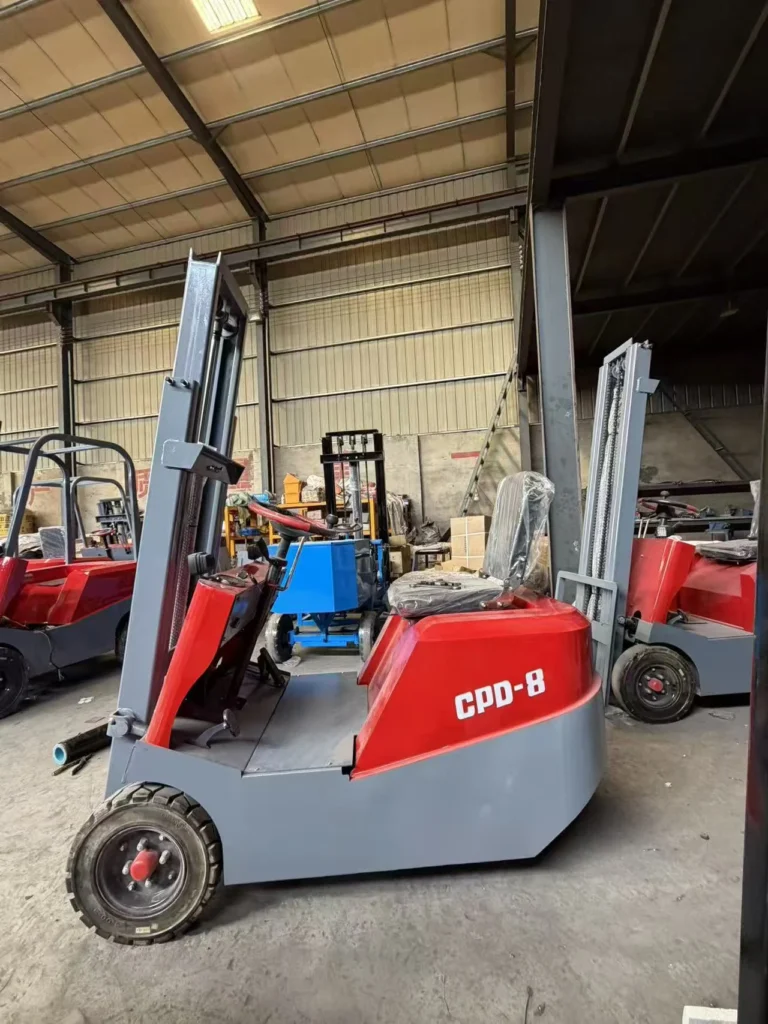
Electric forklift load capacity must be read with the conditions behind the rating. The advertised tonne figure alone does not confirm suitability for your goods. Ask the manufacturer for capacity information covering the actual load centre, required lifting height, attachments and supplied truck configuration.
What does rated capacity tell a buyer?
Rated capacity is a manufacturer's stated load capability under specified conditions. Those conditions matter. A sales listing may present one headline figure while the model documents provide the detail needed for a purchasing decision.
Start by asking for the proposed model's data plate information and applicable capacity chart or specification. Identify the mast and fitted attachments, not only the base model name. If a quotation and the technical documents disagree, resolve the difference before treating the offer as suitable.
What is load centre?
The horizontal load centre describes the distance from the vertical fork face to the load's centre of gravity. With a uniformly distributed load, its dimensions help explain that distance. Uneven equipment, long crates or offset contents can place the centre of gravity somewhere a simple pallet measurement does not capture.
As the load's centre of gravity moves farther forward, the overturning effect can increase. That is why a load below the headline weight limit can still be unsuitable for a given configuration. Use the manufacturer's applicable capacity information rather than an improvised conversion formula.
For example, imagine two crates with the same weight but different lengths and internal weight distribution. Their handling requirements may differ. The useful supplier question is not only whether the truck lifts that weight, but whether it is rated for each actual load and placement condition.
| Item | What to provide or obtain | Why it matters |
|---|---|---|
| Load | Weight including pallet, dimensions and weight distribution | Establishes the real handling requirement |
| Load centre | Applicable rating and actual load arrangement | Connects load position with the rating |
| Height and mast | Required placement height and exact mast configuration | Avoids combining unrelated maximum figures |
| Attachments | Exact attachment and truck combination | Checks the capacity of the supplied system |
| Identification | Model, plate details and serial number | Connects the documents to the delivered truck |
Why lifting height needs its own confirmation
Ask for capacity at the height where the goods must be placed, not only maximum fork elevation. The chosen mast, load and attachment arrangement can affect the applicable capacity. A model's headline lifting height and headline capacity should not automatically be combined into one claim.
Also distinguish lifting height from mast lowered height, extended mast height and free lift. These describe different dimensions. A truck might meet a rack-height requirement while failing a doorway or overhead-clearance requirement.
Describe the destination position accurately. The supplier needs to understand the placement task, pallet and clearance requirements. Do not settle for a verbal confirmation that the mast is tall enough.
Attachments change the question
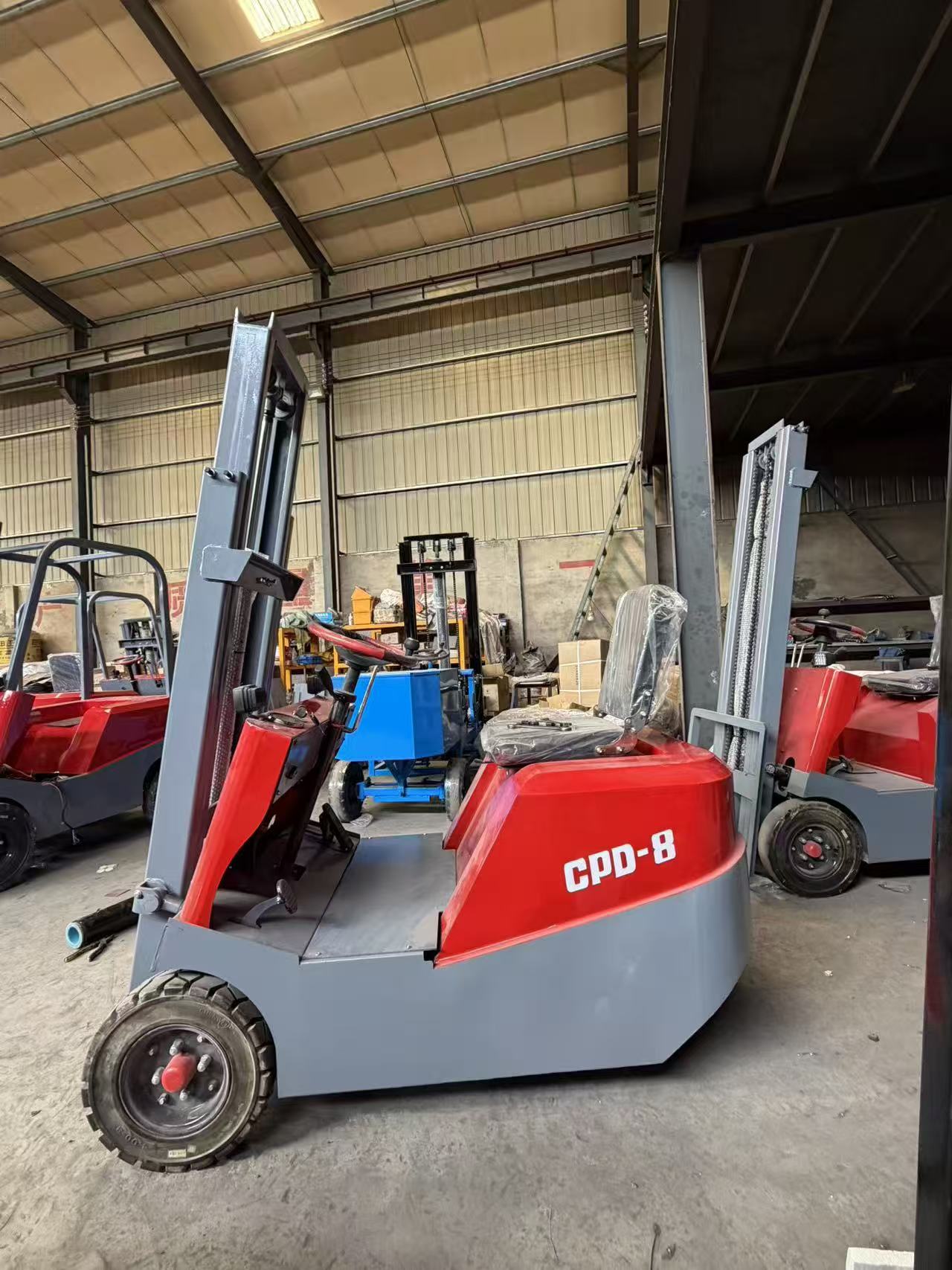
Side-shifters, clamps, fork positioners and other attachments add their own characteristics and may move the load forward. Ask for confirmation of the complete configured truck's capacity. An attachment rating by itself does not establish the truck-and-attachment combination's rating.
Changes affecting capacity or safe operation need the relevant manufacturer review and documentation. If a supplier offers a last-minute alternative attachment, return to the configuration review instead of accepting it as a cosmetic change. Longer forks also do not create extra rated lifting capacity.
Separate load capacity from the truck's own weight
A forklift advertised as 3 tonnes describes a load-rating category, not a promise that the complete vehicle weighs 3 tonnes. Ask for the truck's service weight, shipping weight and the configuration behind each figure.
These values matter for freight planning and site assessment. Floor, dock and lifting-equipment suitability may require information beyond total weight, such as wheel loads. Refer those questions to the manufacturer and appropriate site specialists rather than making assumptions from the capacity label.
Give the factory enough information to assess suitability
Send the maximum load weight including the pallet or container, dimensions, expected weight distribution, pallet entry direction, required height and any attachment request. Explain unusual loads or changing load types explicitly.
Ask for a written response tied to the proposed model and configuration. Keep the response with the order documents and identify any unresolved conditions. If the supplier cannot provide usable capacity information, a larger printed tonne figure is not a satisfactory substitute.
A purchasing confirmation also needs to match what is delivered. Record the serial identification and relevant plate information during acceptance checks, and resolve unexplained differences before shipment.
Use tests to check an agreed requirement
An observed demonstration can provide evidence about a defined task, but it does not create a new rating or approve an unreviewed load. Agree the procedure, loads, location, personnel and reporting in advance. Tests must stay within the manufacturer's approved limits.
Do not ask an untrained buyer or inspector to discover maximum capacity through trial and error. Do not add counterweight to make an unsuitable truck appear capable. Where engineering assessment or certification is needed, arrange the appropriate specialist work.
For an overseas purchase, the aim is a consistent chain of information: your actual load, the manufacturer's confirmed configuration, the order specification and the equipment identification at handover.
Frequently asked questions
Can a 2-ton electric forklift lift 2 tonnes at any height?
Do not assume so. Check the applicable rating for the actual mast, height, load centre and attachments.
Is load centre the same as pallet length?
No. It describes the position of the load's centre of gravity relative to the fork face. Pallet length alone may not identify it.
Do longer forks increase capacity?
No. Confirm the manufacturer's approved configuration and load information rather than treating fork length as a capacity upgrade.
Can a load test replace capacity documentation?
No. A demonstration checks an agreed condition; it does not establish a new rating or replace required technical documentation.
Is a 3-ton forklift's shipping weight 3 tonnes?
Not necessarily. Obtain the actual shipping weight and dimensions for the supplied truck and packaging.
What if I handle several different loads?
Provide the relevant range, including the heaviest, longest and uneven loads. Ask the manufacturer to identify any limitations for each task.
Discuss your equipment requirements
Send the load dimensions, required height and proposed truck documents. GCB can help coordinate specific configuration questions with the manufacturer before you order.
Global China Bridge helps overseas entrepreneurs and small businesses coordinate product sourcing, manufacturer verification, production follow-up and agreed quality checks in China. The introductory conversation is free. Any paid task starts with an agreed scope, deliverables and fee.
Discuss Your Forklift Requirements
Email: service@globalchinabridge.com.
Updated: October 18, 2026