
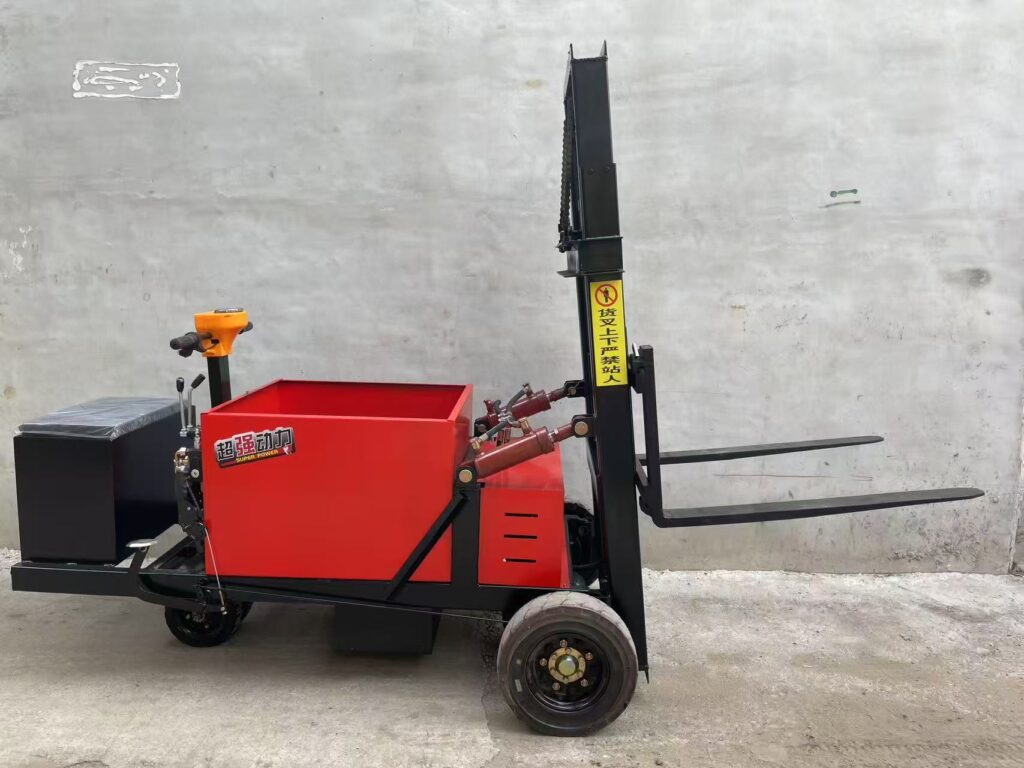
An overseas client needed electric forklifts from China. We helped connect the client with a specialist manufacturer, contributed practical suggestions on equipment configuration and followed production progress and quality. Our support also covered charging compatibility and spare parts planning, with attention to how the equipment would be used and maintained after delivery.
The project involved more than choosing a model from a catalogue. The client needed equipment suited to local working conditions, and a way to coordinate the details with a manufacturer thousands of miles away.
Our involvement continued through the project: clarifying requirements, discussing improvements with the factory, following production and considering maintenance before it became an urgent problem.
Watch the Electric Forklift in Operation
See the equipment in operation and the project considerations behind our China-side coordination and production follow-up.
Bringing Local Working Conditions into the Factory Discussion
We connected the client with a Chinese manufacturer specializing in electric forklifts. From there, the discussion moved to the practical requirements of the equipment.
Vehicle dimensions and turning radius were part of that work. A forklift needs to fit the space in which it operates, with room to manoeuvre while carrying a load. The conversation therefore had to go beyond the nominal lifting capacity and address the equipment's configuration for the client's intended use.
We also discussed the counterweight configuration with the manufacturer as part of the improvements. Our role was to bring the client's needs into those discussions and help coordinate the work with the factory's technical team.
Dimensions, counterweight and manoeuvrability needed to be considered together. Changing one feature could affect other aspects of the equipment, so the improvements were discussed with the manufacturer rather than treated as isolated requests.
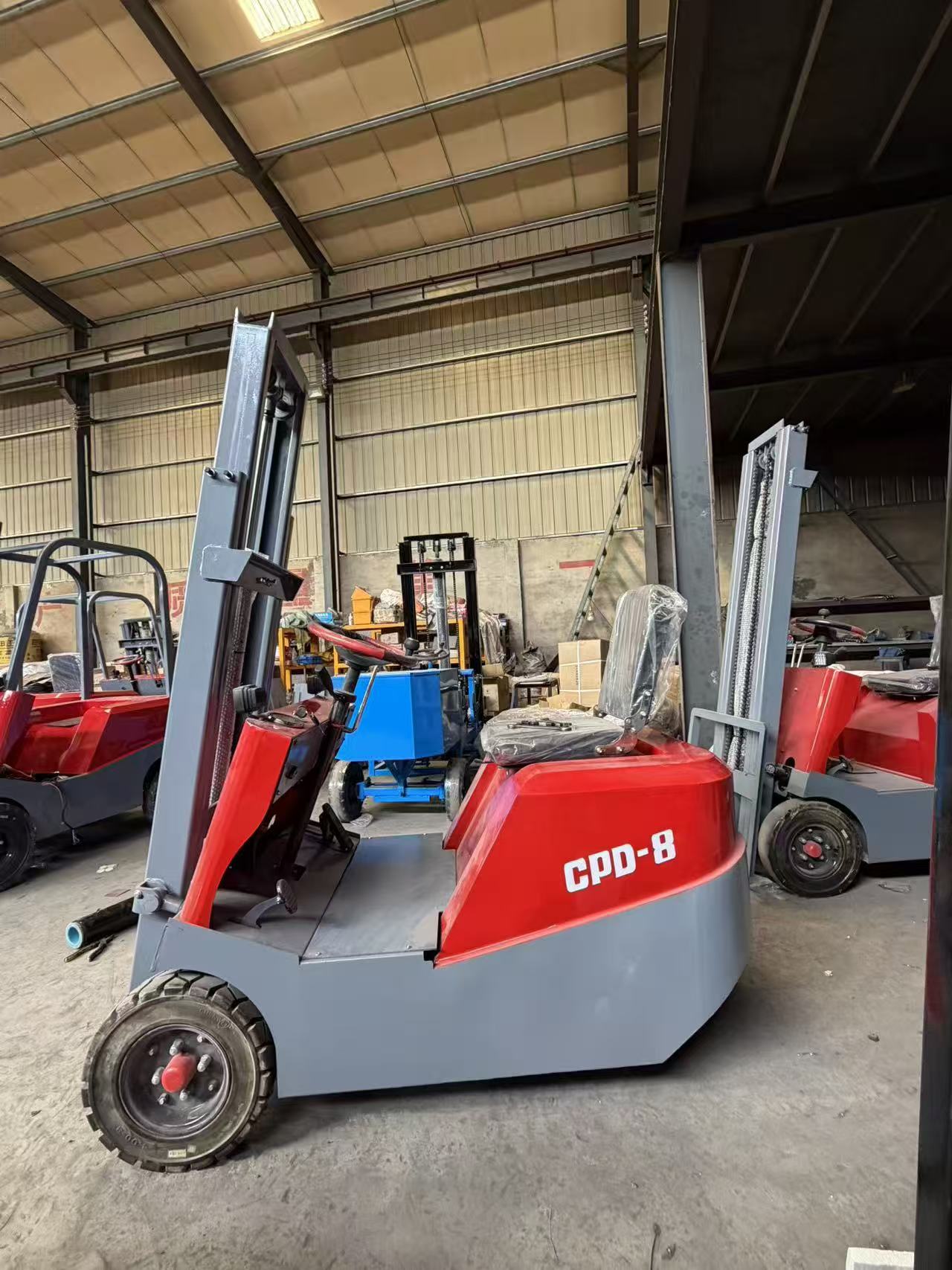
Considering Rain Protection and Charging Compatibility
Protection against rain and water ingress was another part of the improvement work. We discussed these requirements with the manufacturer in relation to the equipment's intended working conditions.
These details mattered because the client would be using and maintaining the equipment overseas. It was better to raise the requirements while the factory could address them than leave the client to discover a mismatch after delivery.
We also checked the local power supply and discussed charging compatibility with the manufacturer. The charging arrangement needed to match the conditions at the client's location, rather than simply carry over a configuration used in China.
Charging adaptation was part of preparing the equipment for use. The customer needed a workable setup as well as a suitable vehicle.
Following the Improvements into Production
Once the requirements had been discussed, our work continued with attention to production processes, progress and quality. We stayed involved in communication with the manufacturer as the project moved forward.
This continuity helped connect the client's expectations with the factory's work. Product selection, configuration changes and production follow-up were parts of the same project, rather than separate conversations the client had to manage alone.
For an overseas buyer, following up on technical questions and production details takes time. Having support in China helped reduce that coordination burden and keep attention on the work needed for delivery.
Planning Maintenance Before the Equipment Was Far from the Factory
We recommended that the client prepare an appropriate stock of spare parts. The reason was practical: when the equipment is far from its manufacturer, obtaining a replacement part can involve international freight, additional cost and waiting time.
The price of a part is only one consideration. If the equipment is unavailable while a replacement is being sourced and shipped, that waiting period can affect the work it supports.
We therefore brought spare parts planning into the project before maintenance became an urgent issue. The aim was to help the client think ahead about continued use, rather than focus only on the initial purchase.
The recommendation was to prepare suitable parts in proportion to the equipment and maintenance needs. It was an extension of the same approach we took to dimensions, rain protection and charging: resolve foreseeable questions while there is time to plan.
The Client's Feedback
The project was completed, and the client valued the professionalism of our service and our ability to plan ahead.
In the client's feedback, our involvement helped reduce unnecessary subsequent maintenance costs, saved time and labour, and kept equipment-related issues from disrupting the project schedule.
What the client appreciated was support throughout the equipment sourcing and implementation process. They gained a manufacturing connection in China, practical input on adapting the equipment, production follow-up and early consideration of maintenance.
What This Project Means to Us
A sourcing project can begin with a request for a product and develop into a series of connected decisions. The size of the equipment, its charging arrangement and the availability of parts all affect how useful that purchase will be to the client.
When a client entrusts a project to us, I want to understand how the product will be used and what could create work for them later. Asking those questions early, discussing them carefully with the manufacturer and following through are part of taking that responsibility seriously.
— Bryan, Founder of Global China Bridge
This project reflects the practical support we aim to provide: helping overseas businesses coordinate manufacturing work in China while keeping their wider project needs in view.
Planning an Equipment Purchase from China?
Tell us what the equipment needs to do, where it will be used and which questions you need to resolve with the manufacturer. We can discuss product sourcing, configuration communication, production follow-up and maintenance planning.
The introductory conversation is free. If there is useful work to undertake, we agree on a clearly defined scope and fee before it begins.
Start a conversationUpdated: October 14, 2026