
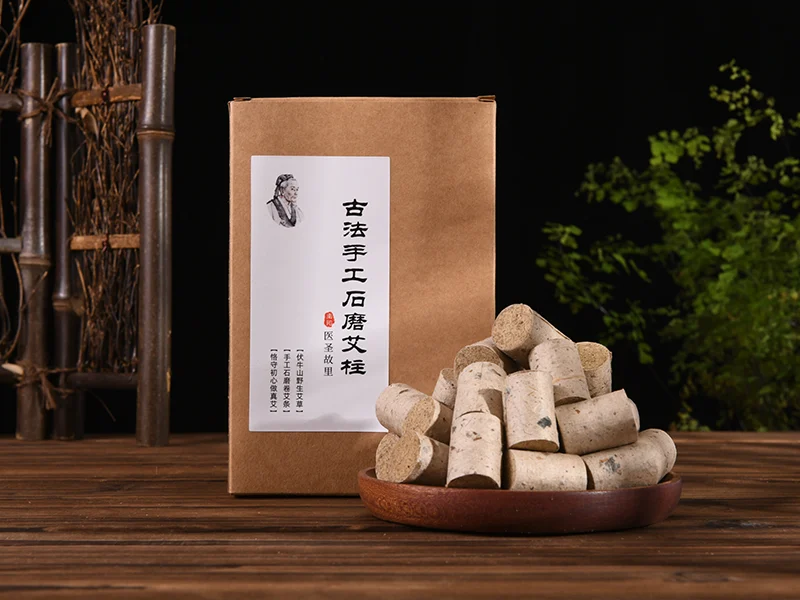
Moxibustion for breech baby presentations is a clinical question before it is a sourcing question. Research suggests a possible benefit for presentation at birth when moxibustion is added to usual care, but safety evidence remains uncertain. Maternal clinics and midwives need clearly specified products, appropriate professional oversight and a supply chain that supports their clinical requirements.
Moxibustion for Breech Baby Care: The Clinical Context
Traditional Chinese medicine has long used the heat of prepared mugwort, known as moxa. One application discussed in maternity care is moxibustion for breech presentation, associated with the point called Zhiyin, or BL67.
The Royal College of Obstetricians and Gynaecologists describes some evidence that moxibustion may help a baby turn and says it should be directed by a registered healthcare practitioner. A 2023 Cochrane review found that adding it to usual care probably reduces non-cephalic presentation at birth, while probably making little or no difference to caesarean section rates. Evidence about adverse events was uncertain.
If you are pregnant and looking for help with a breech baby, speak with your maternity care team. This article does not provide a treatment routine. The sections below address product sourcing for professional buyers; product selection cannot determine whether moxibustion is suitable for an individual pregnancy.
At Global China Bridge, we help overseas buyers communicate their requirements to manufacturers in China. For a maternal clinic, that means starting with the exact product and the clinic's professional requirements, rather than accepting a label such as “pregnancy-safe” at face value.
The Problem with Buying Moxa on Price Alone
When buyers search for wholesale moxa, similar photographs can conceal differences in composition, dimensions, wrapping, construction and batch consistency. A low price alone neither proves poor quality nor establishes value.
For maternal care settings, smoke and odor deserve explicit discussion. Some patients may find them uncomfortable; that concern should be addressed by the clinical team and the facility, rather than used to make unsupported claims that one grade is safe for every pregnant patient.
- Unclear materials: Ask what the consumable contains, including any binder and wrapping. “Pure” is not a complete specification.
- Inconsistent construction: Dimensions, density, cracking and ash behavior should be compared against an approved reference sample.
- Unsupported descriptions: “Medical-grade,” “non-toxic” and “safe for pregnancy” require more than a sales statement or a factory visit.
- Limited traceability: Batch identification and material records make it easier to investigate a discrepancy after delivery.
Our role is to make these questions concrete, coordinate the agreed checks and report what was found. A sourcing agent's inspection is not clinical approval or a substitute for appropriate product assessment.
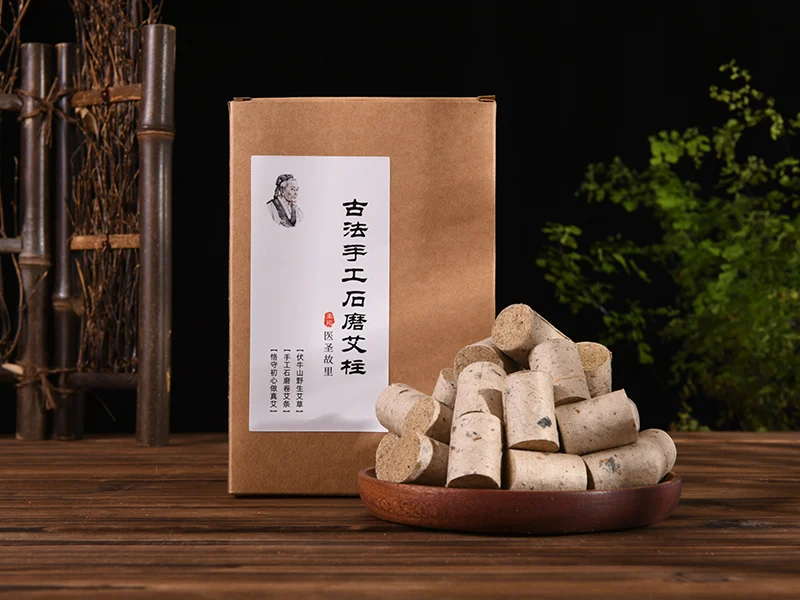
Pure Aged Moxa and Lower-Smoke Options: What to Confirm
1. Refined Moxa and the Meaning of a 30:1 Ratio
For practitioners who specify traditional moxa, refinement and aging claims should be defined before comparing quotes. A ratio such as 30:1 commonly describes the weight of dried leaf input relative to the weight of finished floss. It is not a standardized percentage-purity score or proof of pregnancy suitability.
If a supplier claims three-to-five-year aging, ask whether the dates refer to stored leaves, processed floss or finished sticks. The records should connect that claim to the material supplied. Smell, color and a warehouse photograph cannot independently establish age.
We can coordinate factory verification, review the available records and arrange representative samples. The buyer's clinical team should define the intended product and any assessment requirements before a purchase specification is finalized.
2. Smokeless Moxa Sticks: Check the Actual Construction
Carbonized products are offered to reduce visible smoke and odor, but “smokeless” does not mean emission-free, odor-free or burn-proof. A burning carbonized stick remains a combustion source.
Ask the manufacturer to identify the material, binder, dimensions and operating requirements. If performance comparisons are needed, agree the conditions and scope in advance. A pleasant smell or a short burn demonstration cannot prove that a product is suitable for a maternity setting.
A low-smoke product also cannot authorize use where combustion is prohibited or replace a facility's ventilation arrangements. Any proposed substitute for an existing clinical consumable needs review by the responsible professionals.
| Supplier statement | What the buyer should clarify |
|---|---|
| 30:1 refined moxa | Input material, calculation method and agreed reference sample |
| Three-to-five-year aged material | What was aged, dates, storage and batch linkage |
| Smokeless carbonized stick | Composition, binder, emissions information and operating requirements |
| Medical-grade product | Exact product, intended use and supporting documentation for the target market |
| Clinic-ready packaging | Approved wording, batch details, instructions and protective packing |
Build a Consistent Product Presentation with Private Label Packaging
A clinic's own packaging can help organize stock, identify a product and communicate approved information. It does not confer medical approval or improve the clinical evidence for the contents.
GCB can coordinate printed boxes, labels and individual packing where the manufacturer supports them. Start with the dimensions, quantity, packaging materials and artwork. Smaller orders can be discussed, while the feasible MOQ depends on the consumable and print run.
Your responsible professionals should approve clinical instructions and claims. We can help relay and check the approved artwork with the factory, but should not invent a pregnancy-use protocol on a packaging project.
For protective packing, specify the relevant risks: crushing, breakage, moisture exposure and clear batch identification. Do not assume every item needs the same sealing method or that a new outer box changes the shelf life of the product inside.
From Samples to a Repeatable Order
A practical sourcing sequence is requirements, supplier review, samples, written approval, production follow-up and an agreed pre-shipment inspection. Record changes so the production order does not drift from the approved sample.
For clinics buying across borders, discuss replenishment quantities and lead times early. The aim is a clearer ordering process and fewer avoidable surprises, rather than a promise of zero risk.
Our moxa product sourcing page explains the broader service, and our moxa sourcing story shows how China-side coordination fits into a project.
Frequently Asked Questions
Does moxibustion guarantee that a breech baby will turn?
No. The cited research does not establish a guaranteed outcome. A maternity care team should explain the evidence, options and individual circumstances.
Is smokeless moxa proven safe for every pregnancy?
No. Reduced visible smoke is not proof of pregnancy safety. Clinical suitability and the actual product require professional assessment.
Does a 30:1 ratio mean medical-grade quality?
No. It is a processing description that needs a definition, not a clinical approval or universal safety standard.
Can a clinic request private label boxes?
Yes. Artwork, materials, quantities and manufacturer capabilities can be discussed. The clinic's responsible professionals should approve instructions and claims.
Can GCB certify a product as pregnancy-safe?
No. We coordinate sourcing and agreed supplier or quality checks. Those services do not establish individual clinical suitability.
Can we request a sample selection?
Yes. Tell us the specified product and intended market. Sample availability, sample costs and international shipping charges are confirmed before arranging it.
Plan Your Clinic Sourcing Project
Planning a moxa purchasing project for a maternal clinic or professional supply business?
Global China Bridge is a China-based sourcing and product-development service company helping overseas entrepreneurs, small brands, retailers and clinic suppliers. We can coordinate manufacturer searches, factory verification, samples, OEM and private label packaging, production follow-up, quality checks and shipping arrangements. Tell us your target market and product direction. Small orders are welcome to discuss; we start with a free conversation, then agree a clear scope and fee for any work.
Email: service@globalchinabridge.com · About GCB