OEM & Private Label

OEM & private label
sourcing in China.

I’m Bryan. Global China Bridge helps overseas entrepreneurs and small businesses develop branded products with suppliers in China. Start with an existing product, adapt a design, or manufacture to your specifications. We clarify the supplier options, samples, MOQ, and costs before you commit.

Send a product reference, intended changes, destination country, and approximate quantity. The first conversation is free. Development and coordination are quoted by agreed stage, with deliverables and fees confirmed before paid work.

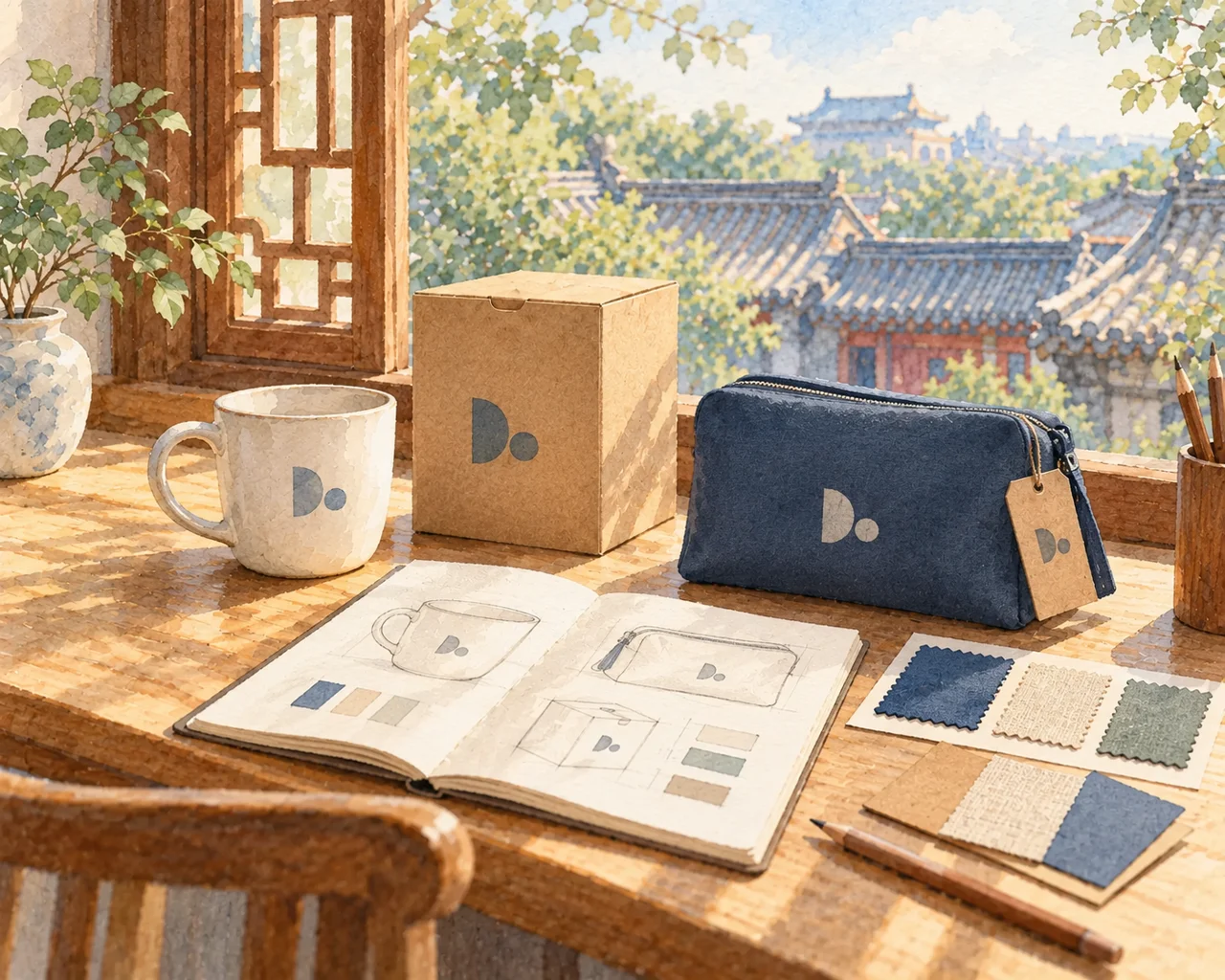
Watercolor illustration of a branded mug, retail packaging, canvas pouch and product sketches beside a Beijing courtyard window

Agree a useful first task

Know what the work will produce.

We agree the scope around your starting point. A sourcing search, sample round, factory visit, and production follow-up are separate tasks unless included together.

A product and customization brief.

Record the base product or design reference, intended use, materials, dimensions, function, finish, logo method, packaging, quantity, and destination market. Identify the document version and separate essential requirements from optional changes and unresolved questions.

Supplier options and comparable quotations.

Where supplier research is included, compare relevant processes, MOQ by variant, sample charges, setup or tooling costs, and production estimates against the same brief. Identify the quoting entity, subcontracted processes, missing information, and claims needing verification.

A sample and revision record.

Where sampling is included, identify what each version should demonstrate, coordinate the agreed round, and record photos, feedback, proposed changes, fees, and timing. Link approval to the sample reference and written specification. Further revisions, tooling changes, and specialist tests are separately scoped.

A first-order handover.

Bring together the agreed specification, sample reference, quantity, packaging, and remaining decisions. Identify who approves changes and which production or quality checks should be arranged next.

Begin at your current stage. Need suitable candidates? Explore the defined manufacturer search. Already have a supplier? We can scope development or sample coordination directly. Compare service fees and separate project costs.

Choose the right starting point

There is more than one way to make it yours.

You don’t need to begin with a completely new design. The right route depends on your product, budget, and how much you want to change.

01

Private label

Start with an existing supplier product under your brand. Confirm which features stay standard and which logo, label, color, or packaging options are available. Check the branding method, sample cost, and minimum quantity before ordering.

02

Adapt an existing design

Use an existing design as the starting point and change selected materials, dimensions, finishes, or accessories. Ask the factory to assess feasibility, affected processes, new setup or tooling, sample requirements, and MOQ for each change.

03

OEM to your specifications

Work from your drawings, reference sample, or defined requirements. Clarify which design details are ready, which need engineering input, and who supplies that work. The factory assesses manufacturing feasibility, development, tooling, sample stages, costs, and checks before a production commitment.

Suppliers may use “OEM,” “ODM,” and “private label” differently. A written description of what will be supplied is more useful than relying on the label alone.

How I can help

Bring the idea. Let’s work through the production details.

I can help coordinate the conversations and comparisons that move a brand idea toward a clearer sourcing decision.

01

Find a suitable starting point

Explore suppliers for the product and customization you need. Compare their stated capabilities and discuss what evidence or supplier verification is appropriate.

02

Clarify the specification

Work through material, dimensions and tolerances, intended function, color, finish, logo placement, and packaging so quotations use the same requirements. Discuss manufacturability with the factory and identify where an engineer or other specialist is needed.

03

Coordinate samples

Discuss stock, branded, or development samples. Confirm what each sample represents, its cost, timing, and the changes still needed.

04

Compare the order terms

Review quantity minimums, setup charges, unit prices, production timing, and agreed checks. Identify open questions before you decide.

The details your customers will see

Product, branding, and packaging need to work together.

A logo can look different on fabric, ceramic, metal, or a printed label. Packaging that looks good in a mockup may need adjustment to protect the product or keep shipping practical.

  • Product material, dimensions, function, and finish.
  • Logo method, artwork format, placement, size, and color reference.
  • Labels, inserts, barcodes, and any required product information.
  • Retail packaging, protective packing, and shipping carton details.
  • Approved samples, acceptable tolerances, and how changes will be recorded.

Where color or finish matters, physical references can help alongside artwork. We should also ask whether printed packaging has a separate MOQ from the product itself.

A manageable way forward

From your idea to an agreed first order.

  1. Share your product and market

    Tell me who the product is for, where you will sell it, and what you want to change. A product link, drawing, or reference sample can help.

  2. Compare the practical options

    Compare existing products, proposed modifications, and manufacturing capabilities. Ask suppliers to identify feasibility questions and separate product prices, development, samples, tooling, testing, and packaging. Agree the scope and deliverable for the next paid stage before proceeding.

  3. Review a sample and agree the details

    Agree what each sample should establish. Review product and branding together, record changes against an identified version, and confirm the cost and timing of another round before it starts. Approve the sample reference and written specification, with any exceptions documented, before bulk production. Plan sample reviews, revisions, and MOQ.

  4. Confirm the order and production checks

    Agree quantity by variant, cost, payment terms, timing, packaging, and suitable checks in writing. Identify who can approve changes and hand over the approved documents. Scope production follow-up and product quality checks separately so sampling approval connects to the bulk order.

Protect your starting budget

Make the first version sensible to produce.

A simpler first product can give you room to learn before you invest in more customization.

New molds, unusual materials, several colors, and elaborate packaging can each add cost, minimums, and lead time. We can compare what matters to your customers with what could wait for a later version.

  • Separate GCB’s coordination fee, supplier development or tooling charges, and recurring unit prices; identify the payment recipient for each.
  • Confirm minimum quantities per product, color, and packaging design.
  • Budget for the agreed sample rounds, additional revisions, testing, inspection, freight, and destination costs; confirm extra work before it begins.
  • Ask how reorders will work and whether materials or components may change.
The aim is a product you can sell, reorder, and stand behind.

A sample is an important reference. See Samples & MOQ for sample planning and Quality Control for checks against the agreed production requirements.

Before money changes hands

Agree who owns what—and what must be verified.

Before sharing original files or paying for tooling, agree which parties receive the material, its permitted use, and the confidentiality arrangements required. Confirm which files you are entitled to use and distinguish your supplied designs from supplier-owned designs or components.

  • Identify each mold or tool, its quote, payment milestones, intended use, and agreed owner.
  • Confirm where tooling is stored, who maintains it, and any storage, repair, replacement, or transfer charges.
  • Agree access and transfer arrangements, permitted third-party use, and any exclusivity you expect.
  • Clarify who owns revised drawings and development files, which files will be delivered, and when.

We help raise and record these questions with the supplier before development spending begins.

Product requirements also depend on the category and destination market. Ask what documentation or testing is available and what still needs independent confirmation. Logo application alone does not make a product ready for every market.

These points need specific written agreements and, where appropriate, qualified legal or compliance advice. I can help identify the questions and coordinate supplier information; the agreement and verification need to match your actual project.

Product development in practice

A design needs practical manufacturing conversations.

For an overseas jewelry design company developing custom 925 silver products, our work included an on-site factory visit, discussions with the manufacturer, process improvement suggestions, and sample coordination. It illustrates how product experience can support decisions beyond collecting quotations.

Read the 925 silver development story or learn about Bryan’s approach.

For our first conversation

Tell me what you want your product to become.

Share whichever details you already have. We can work through the missing pieces together.

  • Your product idea, reference link, sketch, or sample.
  • Your brand and the country where you plan to sell.
  • What you want to customize—and what can stay standard.
  • An approximate first-order quantity, budget, and target timing.
  • Any artwork, packaging ideas, or requirements already identified.

Questions you may have

Before we begin.

What is the difference between OEM and private label?

On this page, private label means starting with an existing supplier product under your brand. OEM means manufacturing to your defined specifications. Suppliers use these terms differently, so confirm the actual design, customization, and responsibilities in writing.

Do I need a finished product design?

No. An existing product or clear reference can be enough for an initial conversation. A more customized project will need more detailed requirements before a supplier can confirm feasibility and quote reliably.

Can I start with a small order?

Possibly, depending on the product and supplier. Existing designs and simpler branding may offer a more practical starting point. Custom materials, tooling, colors, and packaging can introduce separate minimums.

Can I add my logo and custom packaging?

Often there are options, but the method, appearance, cost, and minimum quantity depend on the product. Ask for a branded sample or packaging proof and confirm the final version before production.

How much does an OEM project cost?

We quote coordination by agreed stage, deliverables, and sample or revision rounds. Supplier development, tooling, samples, tests, product costs, and logistics are identified separately. Confirm the next stage before investing further. See service fees and payment arrangements.

How long does development and production take?

Timing depends on the starting design, changes, sample approvals, materials, and production capacity. Confirm development, production, and transport timing separately; agree how delays or revisions will be communicated.

Will my design or tooling belong to me?

Do not assume ownership or exclusivity from paying an invoice. Before payment, identify the drawings, files, molds, or tooling covered and agree ownership, permitted use, custody, maintenance, access, and any transfer or exclusivity conditions in writing. Ask who owns design changes created during development. Qualified legal advice may be needed; GCB coordination is not a guarantee of enforceable rights.

Are you the manufacturer?

Global China Bridge provides sourcing and coordination support. Production is carried out by the selected supplier. The supplier’s role, your requirements, and the scope and fees for my support should be clear before work begins.

A friend on this side of the bridge

Let’s give your brand a considered start.

Building your own brand takes effort and money you don’t want to waste. You deserve a clear conversation about what is possible and what still needs work.

Tell me what you’re hoping to create. We can explore the options and see whether there is a practical next step.

Bryan
Founder, Global China Bridge · Beijing, China